What is Blockchain? Simple Explanation for Beginners (2025 Guide)
What is Blockchain? Simple Explanation for Beginners (2025 Guide)

Blockchain is one of the most powerful and future-ready technologies in the world today. Many people think it is only related to Bitcoin or cryptocurrencies but blockchain is much bigger than that.
In this blog, you’ll understand blockchain in very simple words, with easy examples and clear explanations.
🔷 What is Blockchain? (Simple Meaning)
Blockchain is a digital record book that is shared across many computers.
Once data is added to it:
-
It cannot be changed
-
It cannot be deleted
-
Everyone in the network can see it
-
No one controls it alone
In short:
👉 Blockchain = a safe, public, permanent digital record.
🔷 Why is it Called “Blockchain”?
The name is very literal.
A blockchain is a chain of blocks, where:
-
A block contains information (transactions, data, records)
-
Blocks are linked together one after another
-
Changing one block means changing every block after it (impossible)
This is what makes blockchain extremely secure.
🔷 How Does Blockchain Work? (Step-by-Step for Beginners)
Let’s understand in 4 simple steps:
1️⃣ A transaction is created
Example:
Rahul sends 1 BTC to Arjun.
2️⃣ The transaction goes to a network of computers (nodes)
Nodes check:
-
Is the wallet valid?
-
Does Rahul have enough balance?
3️⃣ The transaction is verified
Once verified, the transaction becomes part of a block.
4️⃣ The block is added to the chain
Now the block is:
-
Permanent
-
Public
-
Unchangeable
This is how blockchain creates trust without needing a bank or company.
🔷 Why is Blockchain Very Secure?
Blockchain is secure because of these three reasons:
✔️ 1. Decentralization
The data is stored on thousands of computers, not one server.
Even if one computer fails, the blockchain still runs.
✔️ 2. Cryptography
Each block has a unique hash (digital fingerprint).
Changing even one letter in the block changes the entire hash.
So, the network rejects fake data instantly.
✔️ 3. Transparency
Everyone can see the transaction history.
Nothing is hidden or controlled by a single party.
🔷 Simple Example to Understand Blockchain
Imagine a group of friends keeping a shared digital notebook.
-
If someone borrows money → they write it in the notebook
-
Everyone has a copy
-
No one can erase previous notes
This notebook = Blockchain
This system = transparent + trustworthy + secure
🔷 Real-Life Uses of Blockchain in 2025
Blockchain is used in many industries today:
🔥 1. Cryptocurrencies (Bitcoin, Ethereum)
The biggest and most popular use case.
🔥 2. Banking & Finance

Fast international payments, instant settlements, no middlemen.
🔥 3. Supply Chain Tracking
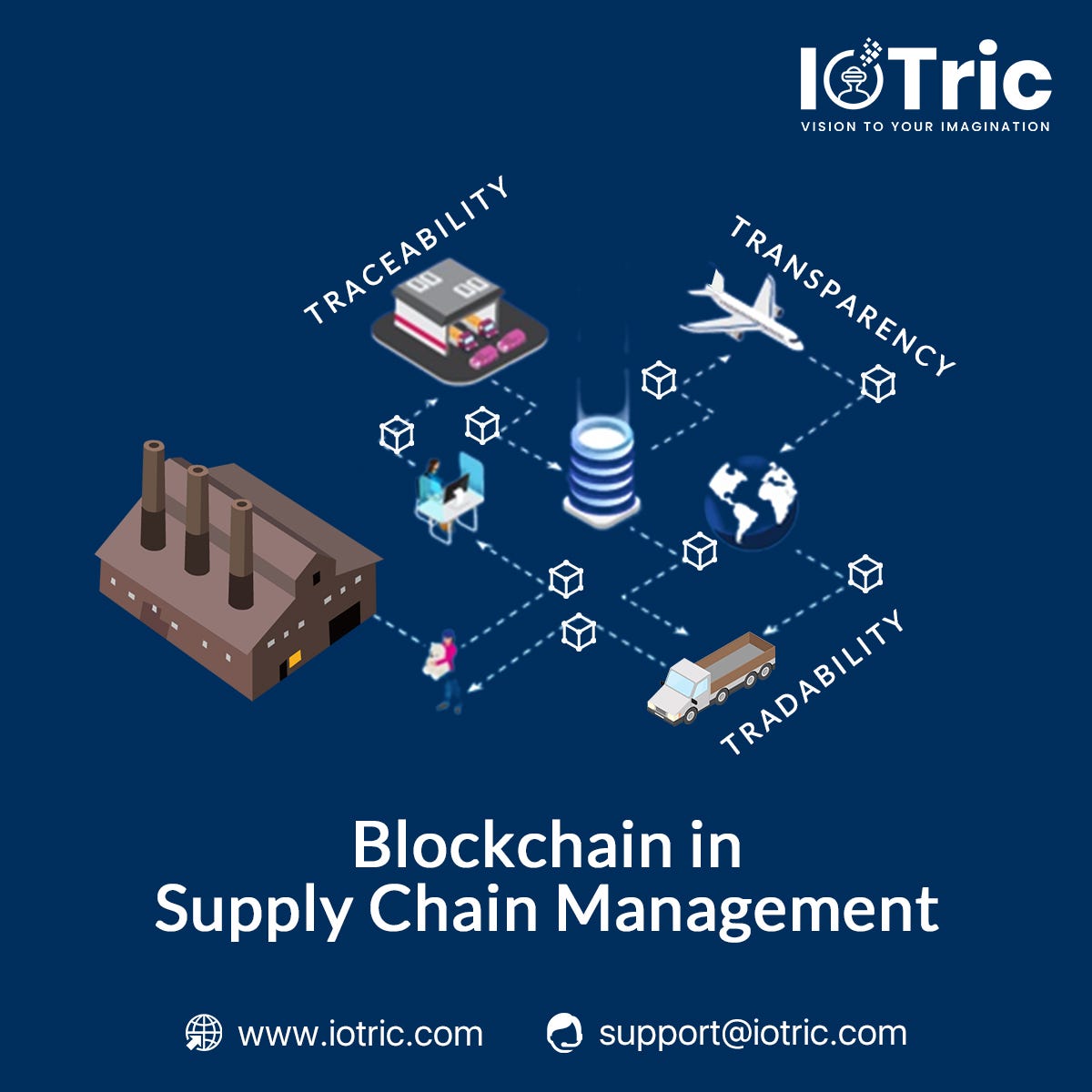
Tracking products from factory → warehouse → store.
🔥 4. Healthcare Records
Secure medical records that cannot be edited.
🔥 5. Voting Systems
Fraud-proof digital voting using blockchain.
🔥 6. Identity Verification
Digital passport, Aadhaar-like systems, online authentication.
🔷 Advantages of Blockchain
-
Highly secure
-
Transparent
-
No single owner
-
Difficult to hack
-
Permanent records
-
Faster verification
🔷 Disadvantages of Blockchain
-
Hard to scale
-
Uses more resources (in PoW systems like Bitcoin)
-
Data cannot be changed once added
-
Technical learning curve
🔷 Conclusion
Blockchain is not just a technology—it’s a trust-building system.
It allows people, businesses, and computers to interact without depending on a middleman.
In the coming years, blockchain will impact:
-
Banking
-
AI systems
-
Supply chains
-
Government services
-
Healthcare
-
Identity verification
If you start understanding blockchain now, you are early—and ahead of most.


Comments
Post a Comment